DataSpace Academy is a leading Edtech offering career-focused courses like Cyber Security, Data Analytics, Digital Marketing, Data Science, AI with 100% Placement Assistance.
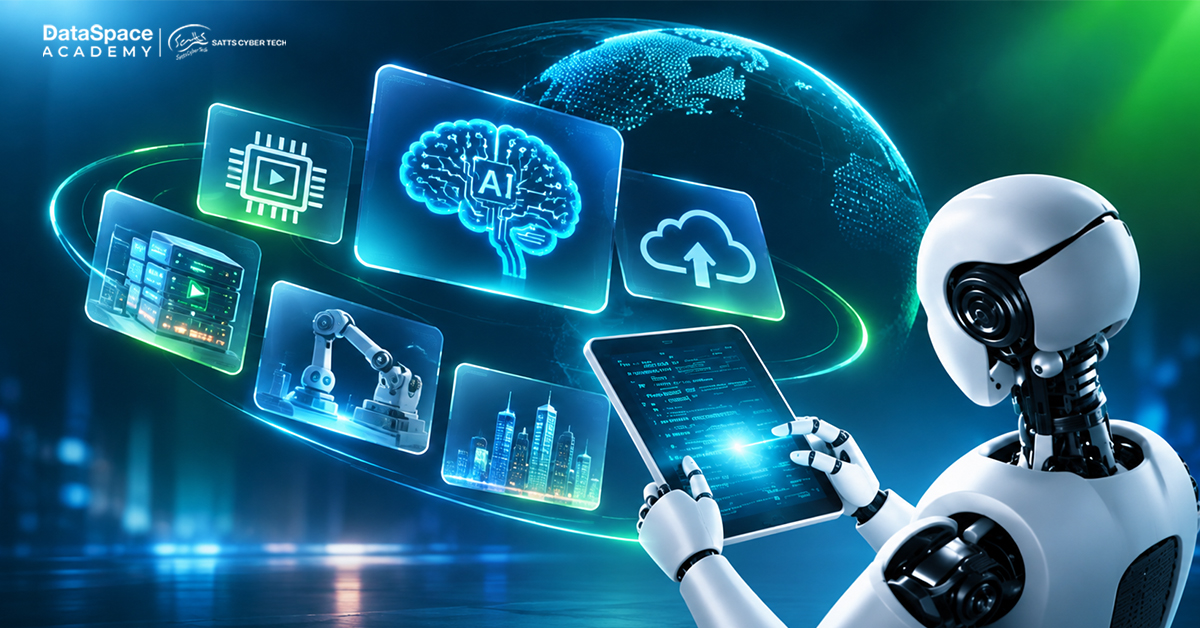
The current AI market is changing where Next-Gen AI Technologies are changing the way people work. The technologies include Large Language Models (LLMs), Retrieval-Augmented Generation (RAG), Multimodal AI and intelligent automation, opening new possibilities across industries. Understanding the emerging technologies helps students and professionals build relevant AI skills and prepare for a digital workplace.
Introduction
Artificial intelligence is moving beyond simple chatbots and basic automation. Today, AI systems can understand language, generate images, analyse documents and connect information from different sources. These advances are changing how businesses operate and how professionals approach everyday tasks. From Large Language Models (LLMs) to intelligent agents, Next-Gen AI Technologies are creating new opportunities across education, healthcare, finance, marketing and software development. Understanding these developments can help students and professionals prepare for changing workplace demands.
What Are Next Gen AI Technologies?
Next-Gen AI Technologies are advanced systems that help machines understand information, generate content, solve problems and perform tasks with greater flexibility. They build on machine learning, deep learning and natural language processing. Unlike traditional systems that follow fixed rules, modern AI models can work with different types of inputs, respond to context and support more complex workflows. However, their output still still requires human review, especially when accuracy and safety matters.
5 Emerging AI Technologies to Know
1. Large Language Models (LLMs)
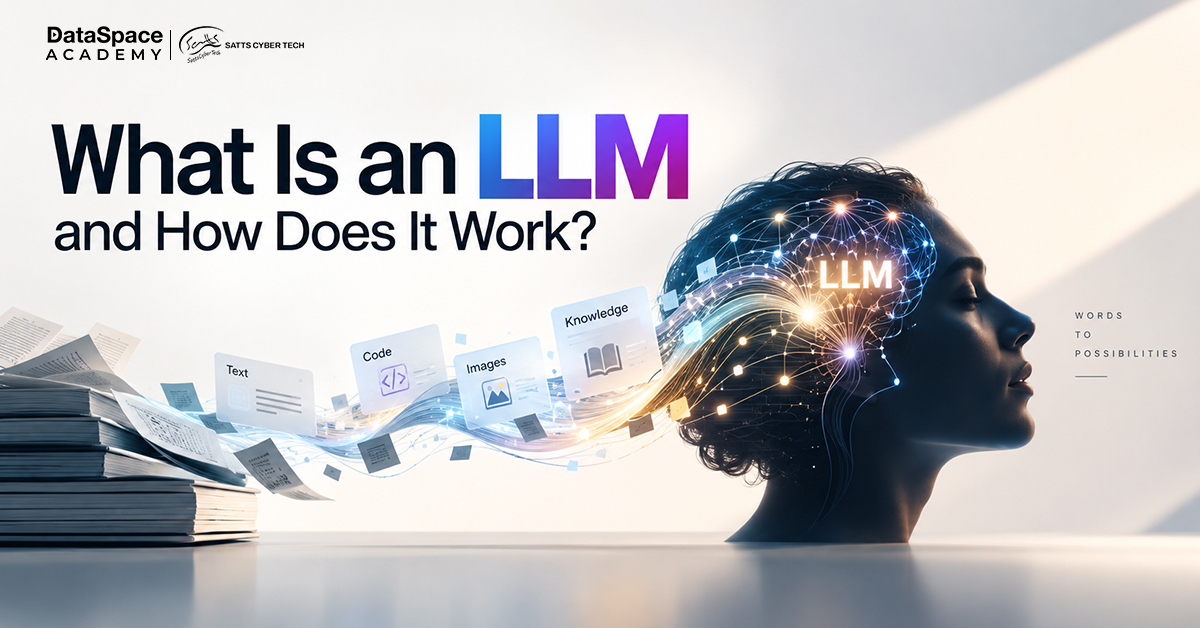
Large Language Model process and generate human-like text. They can answer questions, summarize documents, assist with coding and support research.
Common applications include:
Creating and editing content.
Summarising reports and documents.
Writing and explaining code.
Supporting customer service and research.
LLMs provide useful starting points, but users should verify factual claims and important outputs.
2. Retrieval-Augmented Generation (RAG)
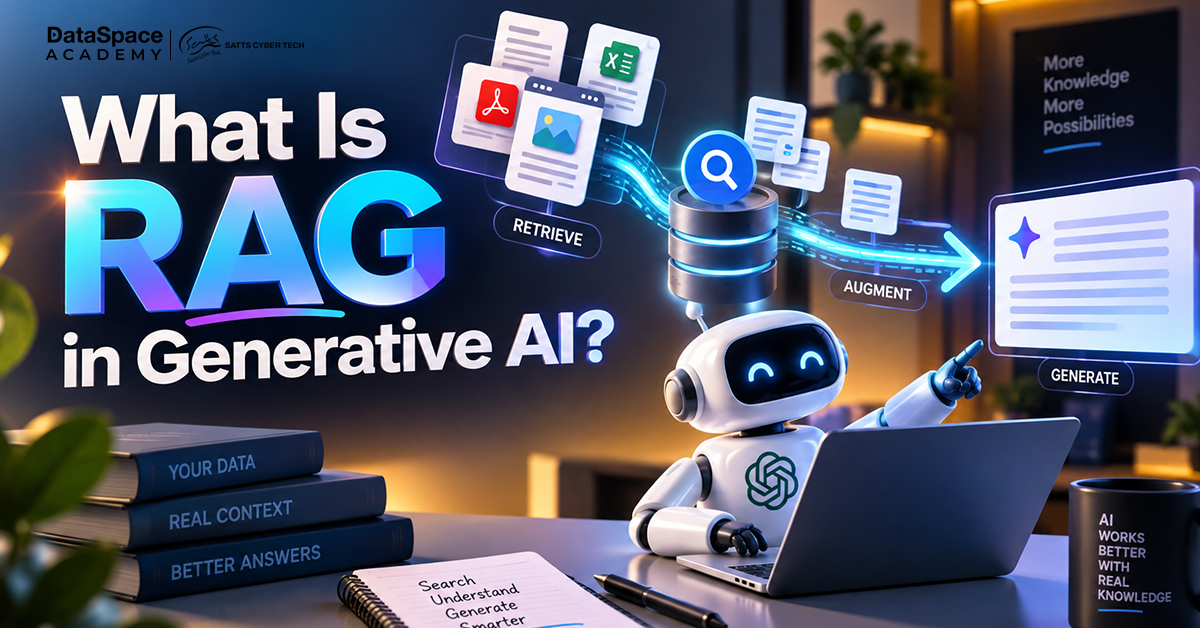
Retrieval-Augmented Generation (RAG) combines a large language model with a system that retrieves relevant information from external sources. Instead of relying only on information learned during training, a RAG application can use selected documents or knowledge bases to formulate responses. For example, a company can use RAG to help employees find answers in internal policies, product manuals or technical documentation.
3. Multimodal AI
Multimodal AI works with multiple types of information, including text, audio and images. This capability allows AI systems to interpret different inputs together rather than treating every task as text-only. Practical applications include:
Analysing images and visual documents.
Transcribing and summarising audio.
Understanding video content.
Supporting accessibility and interactive learning.
As a result, Multimodal AI is expanding the ways people interact with intelligent systems. Gartner identifies multimodal capabilities as an important direction for generative AI adoption.
4. AI Agents and Intelligent Automation
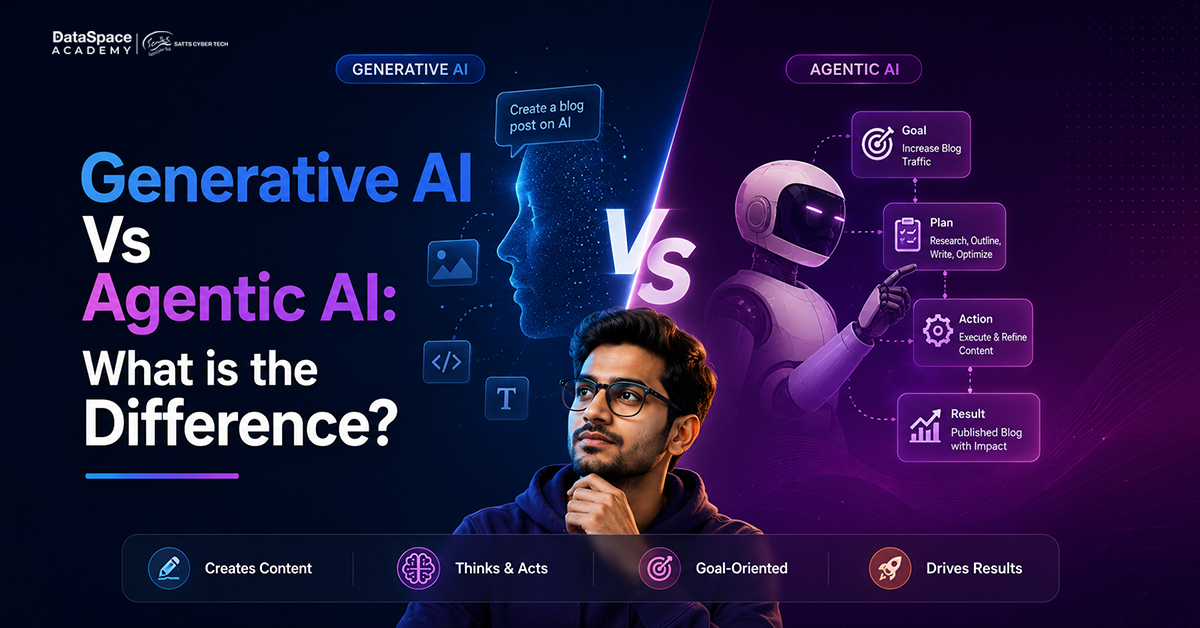
AI agents can use models and defined workflow to complete multiple steps towards a goal. Depending on their design and permission, they may retrieve information, organize tasks and prepare reports. However, organisations should set clear permissions, monitor results and require human approval for sensitive or high-impact actions.
5. AI-Powered Development and Productivity Tools
Modern AI tools support coding, research, content creation, data analysis and everyday productivity. For instance, developers can use AI coding assistants to explain code or draft tests, while business teams can use AI assistants to summarize documents and organize information. These tools can save time but professionals still need domain knowledge, critical thinking and the ability to review AI-generated work.
Why Should Students Learn Emerging AI Technologies?
A skill can help students prepare for technology-driven workplaces. Rather than focusing on tools, learners should understand how AI works and where it adds value. Important Future AI Skills for Students include:
Prompt Engineering: Writing clear instructions and refining AI outputs.
LLM Fundamentals: Understanding how language models generate responses.
RAG Fundamentals: Connecting AI applications with relevant information sources.
AI Tool Selection: Choosing suitable tools for specific tasks.
Workflow Automation: Connecting applications to reduce repetitive work.
Critical Evaluation: Checking accuracy, bias, privacy and reliability.
Responsible AI Use: Protecting sensitive information and respecting ethical boundaries.
How Can You Start Learning Generative AI?
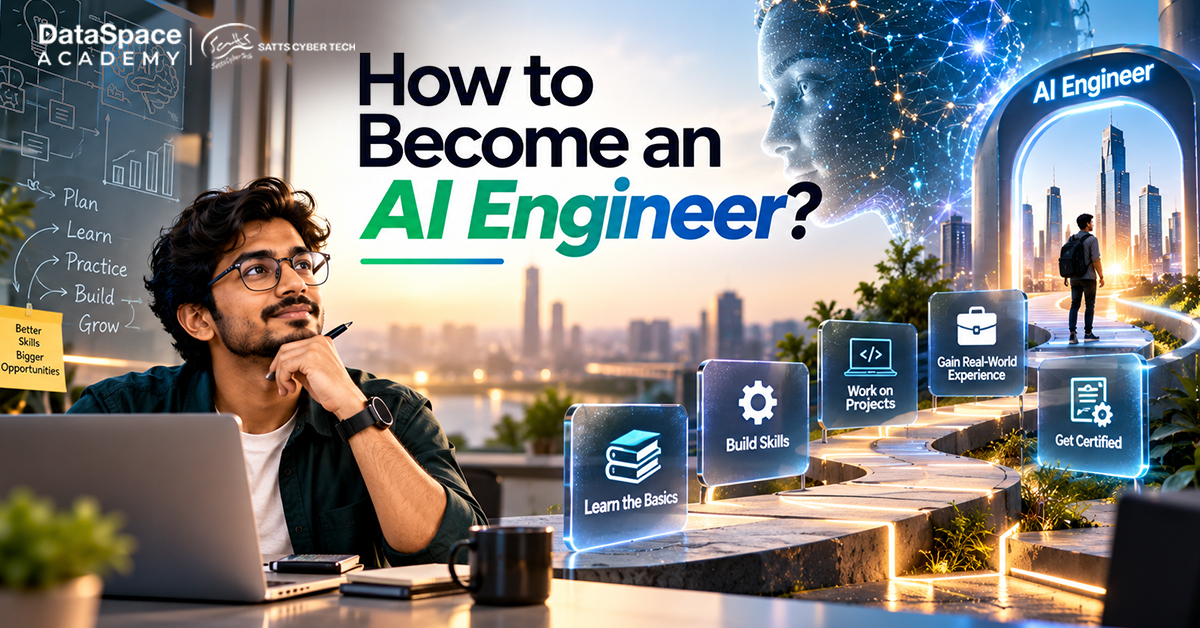
You do not need to learn every AI technology at once. Start with the fundamentals and build your knowledge through guided practice. Learn basic AI, machine learning and LLM concepts.
Practise prompt engineering with everyday tasks.
Explore AI tools for research, content and productivity.
Understand RAG, APIs and AI-powered workflows.
Build small projects that solve practical problems.
So, if you want structured guidance, explore the Generative AI Course in Kolkata offered by DataSpace Academy. The program covers modern AI tools and project based learning.
Conclusion
Learning emerging technologies becomes more valuable when you apply them to practical problems. DataSpace Academy helps learners explore Generative AI through structured learning and project oriented training. If you are comparing options, look for Generative AI Institute in Kolkata that emphasizes hands-on practice and responsible AI use. You can also explore the best AI training institute in Kolkata to learn more about DataSpace Academy's training programmes.
Ready to build practical AI skills? Explore the Generative AI Course at DataSpace Academy and take your next step in AI learning.
FAQs
What are Next-Gen AI Technologies?
They are advanced AI systems that support content generation, multimodal understanding, reasoning and task automation.
What is the difference between LLMs and RAG?
LLMs generate responses from learned patterns, while RAG retrieves relevant external information to support those responses.
What is Multimodal AI?
Multimodal AI processes two or more types of input, such as text, images, audio and video.
Which AI skills should students learn first?
Students should start with AI fundamentals, prompt engineering, AI tools, critical evaluation and basic automation.
Where can I learn Generative AI in Kolkata?
You can explore the Generative AI programme offered by DataSpace Academy and review its current curriculum and admission details.