Search engines have evolved and no longer rely on exact match keywords. Currently, they understand intent and context. This implies the arrival of
Semantic SEO. It focuses on meaning rather than strings of text. You can finally rank without keyword stuffing. This method builds trust, authority, and aligns with user needs.
The old tactics are no longer valued. Google uses advanced algorithms to analyze context and related concepts. If you want a Job Guarantee Program in Digital Marketing with AI, you need to learn this. For example, a course covering modern SEO must include semantics because it is the foundation of modern ranking. Now let us understand how to rank without keyword stuffing.
Semantic SEO is the process of building meaning around a topic. You do not optimize for one keyword; you optimize for the entire subject. This helps satisfy user intent properly. As a result, search engines recognize you as a reliable authority and rank you higher for a wider range of queries.
This approach is based on
entity SEO. Entities are people, places, or things. Google connects these entities and builds a knowledge graph. Your job is to help Google understand your entity by covering related subtopics and providing clear context.
You cannot rank with isolated articles anymore. You need
topic cluster SEO to organize content effectively. A pillar page covers a broad topic, and cluster content includes detailed articles on specific subtopics.
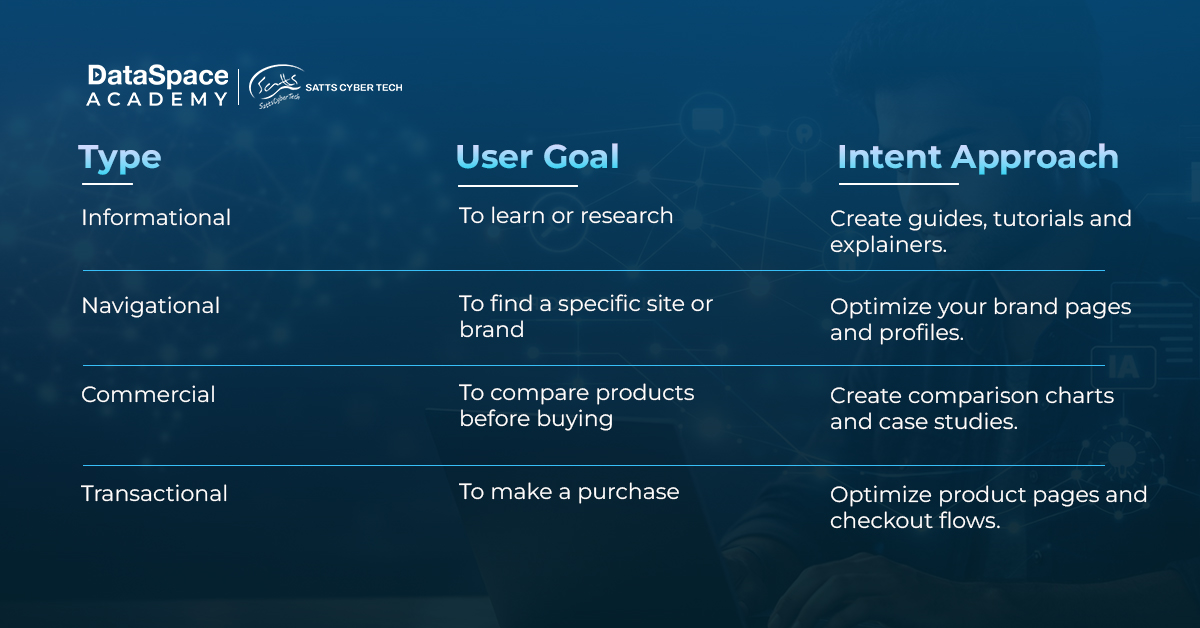
You must understand search intent before creating content. Ask yourself why someone is searching. Do they want to buy, learn, or find a specific website? Ignoring intent means you won’t rank.
However, SEO without keywords is not effective. Keywords still matter, but they must be used naturally. Let us now understand the role of NLP.
Natural Language Processing (NLP) allows search engines to understand language like humans. It identifies context, intent, and relationships between words.
You do not need to repeat exact keywords. Instead, you can use variations. For example, “digital marketing” can include “online advertising,” “social media strategy,” and “content promotion.”
This makes it essential to understand NLP, SEO, and Semantic Search together. A structured learning program like a
job-guaranteed digital marketing course can help you master these modern techniques.

Understanding Semantic SEO requires proper training and hands-on experience. A structured program helps you implement strategies effectively. A job-guaranteed digital marketing course provides real-world exposure, including topic clusters, search intent mapping, and entity-based SEO.
Why Content Relevance Optimization Wins
Google’s goal is user satisfaction. Content relevance optimization ensures you provide the best answers.
When you focus on relevance, you naturally include the right keywords and context.
The era of keyword stuffing is over. Semantic SEO now defines search rankings. You must adopt Semantic SEO and search intent mapping to align with modern search engines.
If you want to master these skills, seek expert guidance.
DataSpace Academy provides industry-focused training designed for real-world success.
Start your journey with Semantic SEO today.
Yes. Semantic SEO improves rankings by building trust through comprehensive topic coverage.
Yes. Search engines prioritize relevance over repetition, which helps improve rankings faster.
How does entity-based SEO affect old content?
It revitalizes old content by adding related entities and connecting it with updated cluster content.
Yes. It works very effectively when you include local entities, landmarks, and community topics.
It depends on your domain authority and competition level.


 Loading...